
CryoSorb™ Pax for Cryogenic Vessels
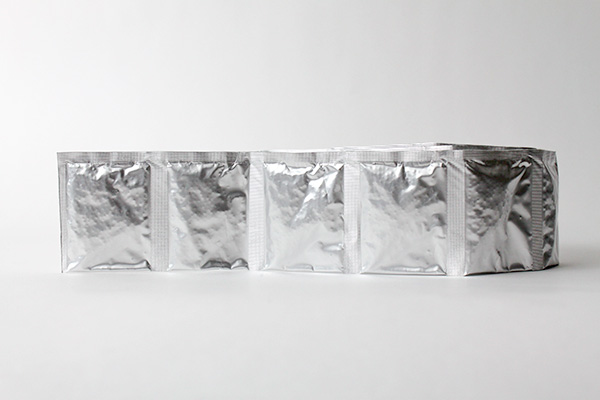
Cryogenic vessels are specialized containers designed to store and transport materials at extremely low temperatures, typically below -150°C (-238°F). They are essential for maintaining the cryogenic state of liquid nitrogen, liquid oxygen, liquid hydrogen, and liquefied natural gas (LNG). These vessels provide thermal isolation and can withstand significant temperature and pressure changes.
Cryogenic vessels specifically require molecular sieve desiccants because of their superior moisture adsorption performance under ultra-low temperatures and high vacuum conditions. Here’s why molecular sieves are the desiccant of choice for cryogenic applications:
- Exceptional Moisture Adsorption at Low Pressures
Cryogenic vessels operate with a vacuum-insulated annular space, often at pressures as low as 10⁻⁵ to 10⁻⁶ Torr. Most common desiccants (like silica gel or activated alumina) lose efficiency at such low pressures. Molecular sieves, especially 3A and 4A types, maintain high adsorption capacity even in ultra-high vacuum conditions. They can adsorb water vapor down to very low partial pressures (~10⁻⁶ Torr), which is crucial for maintaining deep vacuum insulation. - Thermally Stable and Effective at Cryogenic Temperatures
Cryogenic environments involve extremely low temperatures (e.g., –196°C for liquid nitrogen). At these temperatures, other desiccants become inactive or freeze, while molecular sieves remain effective because their adsorption mechanism is based on physical adsorption into uniform micropores (~3–5 angstroms), not surface condensation. Thus, they continue to trap residual water vapor at cryogenic boundary layers where traditional desiccants fail. - Preventing Ice Formation in the Insulation Space
Any water vapor in the vacuum space will condense and freeze on insulation layers or vessel walls. This creates ice bridges that conduct heat, destroying the insulating vacuum's effectiveness. Molecular sieves absorb and trap water permanently, preventing any phase change (liquid to ice) from ever occurring inside the vessel. - Protection During Initial Pump-Down and Long-Term Operation
Cryogenic vessels are evacuated during manufacturing, but outgassing of internal materials (e.g., MLI blankets, spacers, adhesives) continues slowly over time:Molecular sieves scavenge residual moisture over months or years. They are essential in maintaining ultra-high vacuum and reducing the burden on vacuum pumps or getters.
CryoSorb™ Pax for Cryogenic Vessels
| Part Number | Description | Quantity | Price |
|---|---|---|---|
| CSP1920 |
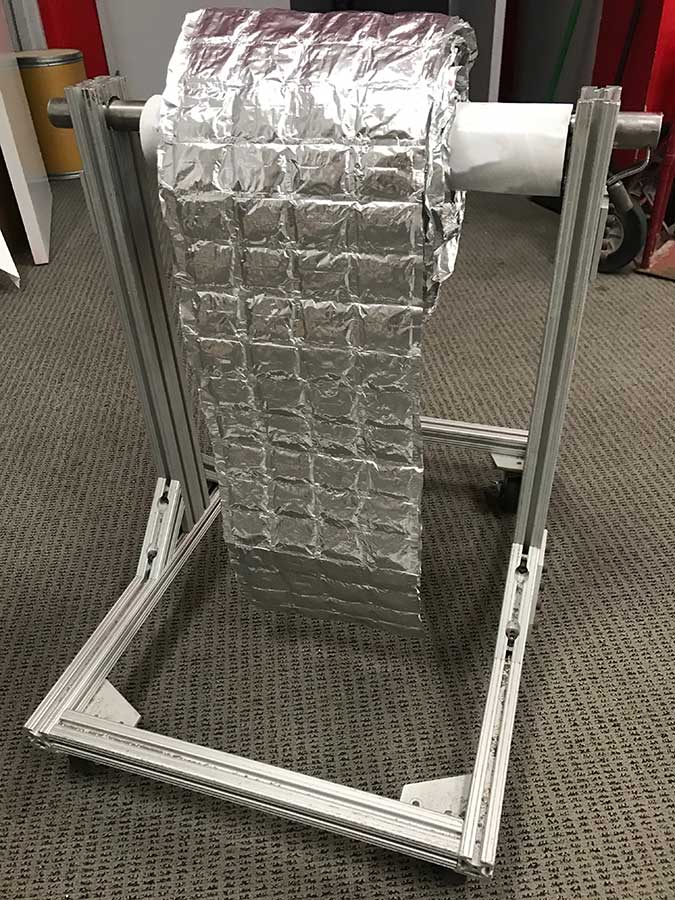
80' roll of 5A molecular sieve in 7.0g packets, 4 packets wide Packets are 2.625" x 1.75" each |
1920 packets | $863.84 |
| CSP960 |
40' roll of 5A molecular sieve in 7.0g packets, 4 packets wide Packets are 2.625" x 1.75" each |
960 packets | $466.14 |
| Part Number | Dimensions | Quantity | Price |
|---|---|---|---|
| CSP960SP100PK5A |
5A Molecular Sieve 1.7 - 2.3mm (8 x 12 Mesh) Packets are 2.625" x 1.75" each |
Strip of 100 | $77.50 |
| CSP960IP5A |
5A Molecular Sieve 1.7 - 2.3mm (8 x 12 Mesh) Packets are 2.625" x 1.75" each |
1 Packet | $0.95 |