
Hot Jaw™ - Constant Heat Sealer
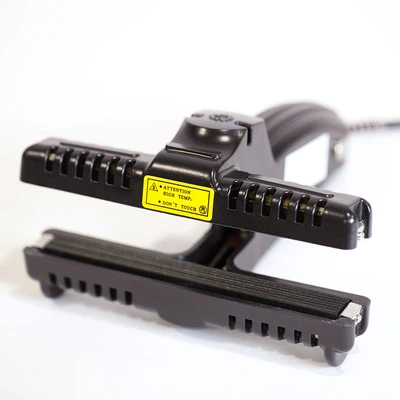
We offer two types of HotJaw™ Constant Heat Sealers. One style features heating elements covered with PTFE synthetic fluoropolymer, which produces a narrow seal but will work with polyethylene. The other features heating elements coated with PTFE synthetic fluoropolymer, the non-stick surface making it an excellent unit for large foil Mylar® bags or covers.
Most common heat sealers deliver a seal of approximately 2mm, which is less than 1/10th of an inch. We sell those units, but our HotJaw™ units deliver a far more substanstial seal width of about 14.2mm, which is about 9/16th of an inch.
The jaws are capable of closing any type of heat sealable multi-layered* structure. You can also use these sealers with raw film stock to make bags of any size!
NOTE: These machines are built-to-order in our CA or FL facilities and are NOT available for immediate shipment. Contact us for lead times based on current production queues.
Hot Jaw™ - Constant Heat Sealer - Order Now ↓
| Part Number | Item | Description | Order |
|---|---|---|---|
| IPKHJ-PE | Hot Jaw™ 6" PTFE-Covered 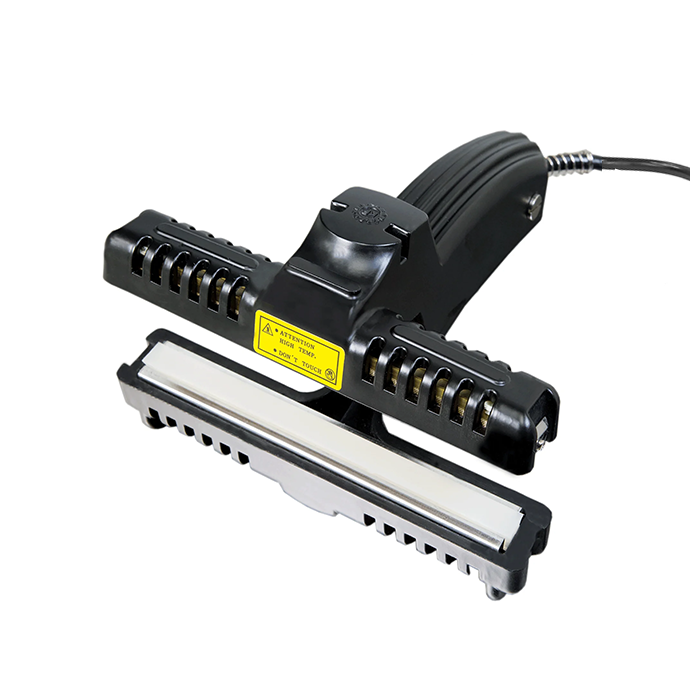
|
Seal Length: 6" Seal Width: 2mm Settings: High and Low Power: 110v/60Hz Warranty: One year parts and labor |
1 unit: $126.80 |
| IPKHS-606T | Hot Jaw™ 6" PTFE-Coated 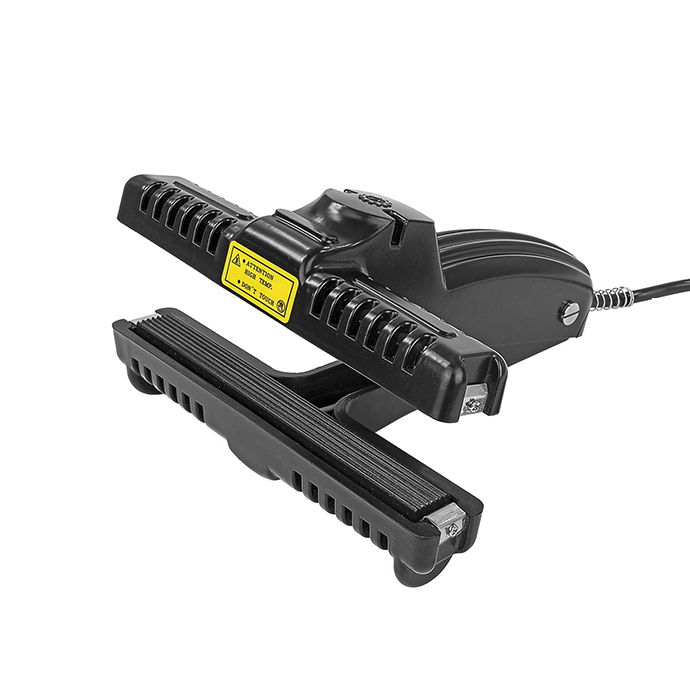 |
Seal Length: 6" Seal Width: ~14.2mm Settings: High and Low Power: 110v/60Hz Cord: 6 feet Warranty: One year parts and labor |
1 unit: $122.75 6+ units: $104.00/each |
| IPKFP-PE | Hot Jaw™ 6" PTFE-Covered (With Foot Pedal) 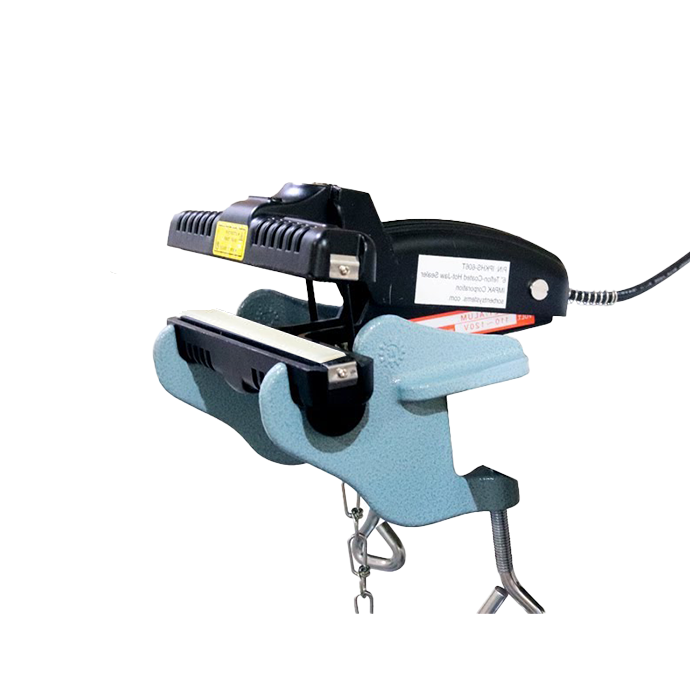
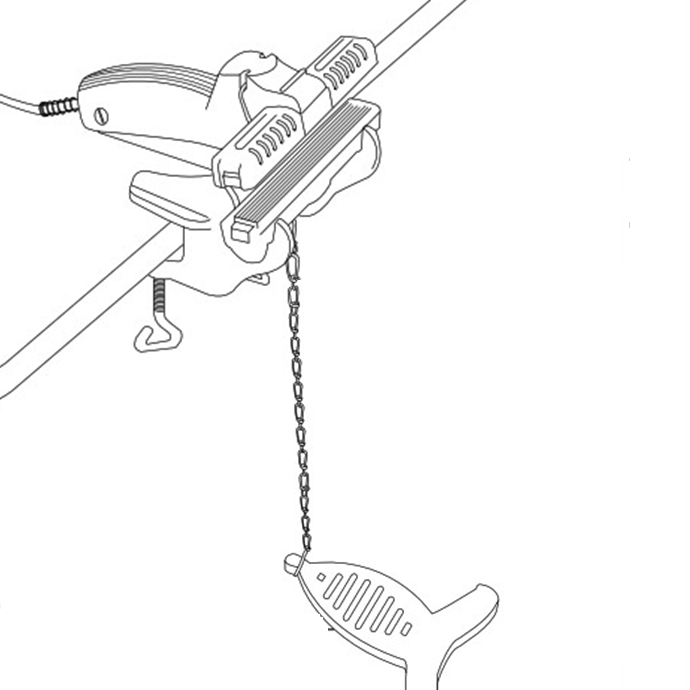 |
Seal Length: 6" Seal Width: 2mm Settings: High and Low Power: 110v/60Hz Assembly with chain, clamp for work table and foot pedal Warranty: One year parts and labor |
1 unit: $127.85 |
| IPKFP-606T | Hot Jaw™ 6" PTFE-Coated (With Foot Pedal) 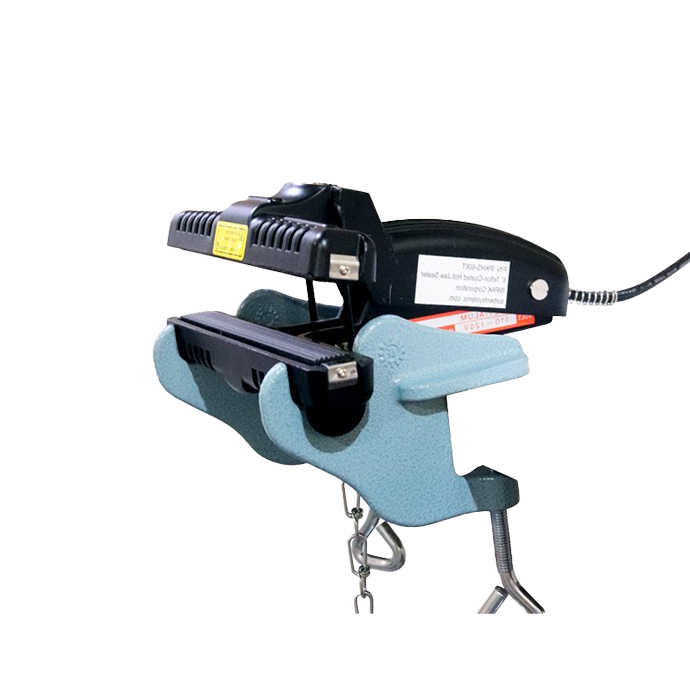
|
Seal Length: 6" Seal Width: ~14.2mm Settings: High and Low Power: 110v/60Hz Assembly with chain, clamp for work table and foot pedal Warranty: One year parts and labor |
1 unit: $189.05 |
Make your own bags with our Constant Heat Sealer!
If you have wide varieties of parts that are of different sizes and you are utilizing the combination of our hot jaw constant sealer or our advanced mobile hand held constant sealing units, try using this 200yd material.
The material works great in conjunction with the mobile hand held sealers.
 (Made in the USA and used extensively by the US Military)
| Part Number | Size | Description | Order |
|---|---|---|---|
| MS360-36Y200 | 36" Wide x 200 Yards |
Material: MARVELSEAL 3" corrugated core 360 rollstock |
1 roll: $366.65 2+ rolls: $342.10/each 5+ rolls: $317.60/each 10+ rolls: $305.05/each |